Emotion — The Feeling Brain
The brain's fast alarm system, and how reason reins it in.
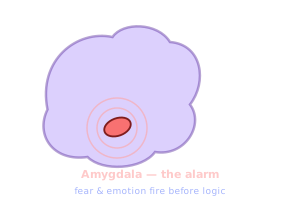
Emotion is generated fast, often before conscious thought catches up. A small almond-shaped structure called the amygdala acts as the brain's alarm system — it detects possible threats and triggers a response in a fraction of a second, which is why you can flinch before you've consciously registered what startled you.
Speed is the point: a fast, rough alarm that's occasionally wrong beats a slow, careful one when survival is on the line. The prefrontal cortex then acts as the voice of reason, evaluating the alarm and calming it down when it's a false alarm. When stress is extreme, the amygdala can briefly overpower this regulation — the "emotional hijack" — which is why people lose composure under pressure. Emotion isn't the opposite of reason; it's a fast first-pass that reason refines.
- The amygdala is the brain's fast threat detector.
- Emotional responses can fire before conscious thought.
- The prefrontal cortex regulates and calms the alarm.
- Under extreme stress the amygdala can override reason (emotional hijack).
Try the full interactive course — free
Read the lessons here, or take the same course as interactive, gamified lessons in the app. Free account, your progress saved.
Start the interactive course →Free educational content. ManaSaya is a learning platform, not a medical or clinical service.